Investor Economics
Return profile, downside protection and exit framework.
Investor Return Profile
Designed to frame Investor-style underwriting and diligence priorities.
Downside Case
Base Case
Upside Case
Illustrative Ownership Waterfall
Simple and IC-friendly economics.
01 Return of Capital
75% LP / 25% GP distributions until investors receive full return of invested capital.
02 Preferred Return
8% non-compounding preferred return to investors, subject to final documentation.
03 Residual Split
Residual distributions split per final structure; source deck indicates 25% LP / 75% GP after hurdles.
Investor Alignment Note
The simplified structure is intended to prioritize return of capital, clear preferred-return mechanics, and alignment between LPs and the sponsor.
Downside Protection & Capital Preservation
The platform is designed to avoid being underwritten as a purely unsecured restaurant operating risk.
Stress Assumptions
Protection Mechanisms
Investor Outcome
Institutional Risk Register & Mitigants
What can go wrong and how management will control it.
Construction Cost / Delays
Second-generation venues, hard bids, contingencies, lender controls, and gated capital release.
Brand Rights / M&A Risk
Definitive agreements, exclusivity, diligence checklists, and fallback concepts before capital deployment.
Labor / Margin Pressure
Centralized recruiting, scheduling analytics, standard labor models, and purchasing scale.
Site Selection Risk
Market scorecards, traffic data, tourism, income, competitor mapping, and opening KPI gates.
Management Bandwidth
Regional operators, shared services, board reporting cadence, and market-level accountability.
Leverage / Rate Risk
Conservative DSCR sizing, reserves, fixed-rate options, and refinance timing discipline.
Exit Framework
Multiple monetization paths can be pursued depending on operating performance, real estate values, and capital market conditions.
Strategic Sale
Global hospitality groups are seeking premium concepts, operational infrastructure, and market footprint.
PE Recap
Sponsor and investors sell or recapitalize at platform EBITDA scale while retaining upside.
PropCo Monetization
Sell, refinance, or spin off the real estate portfolio independently from OpCo timing.
Hybrid Transaction
Combine OpCo recapitalization with REO Venue sale/refinance to optimize proceeds and tax planning.
Illustrative EV Range at $86M EBITDA
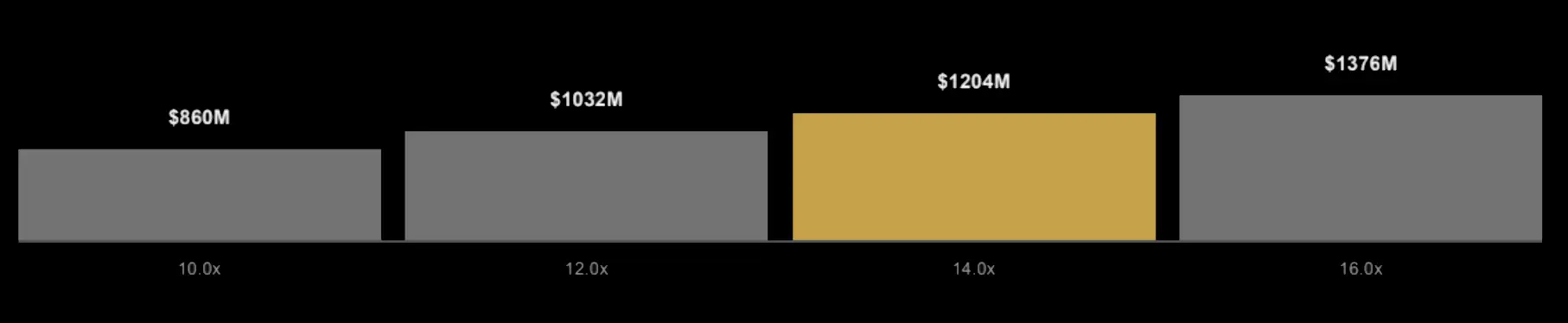
Source deck references luxury / lifestyle hospitality platform valuation ranges of 10.0x-16.0x EBITDA; all exit multiples require third-party market support before external distribution.
Institutional Risk Register & Mitigants
What can go wrong and how management will control it.
1. Capital Formation
Finalize anchor investor terms and target check allocation.
Prepare a subscription timeline, a soft-circle process, and diligence materials.
2. Deal Readiness
Finalize brand rights, acquisition terms, and real estate control status.
Build a defensible project-level model and capital call schedule.
3. Institutional Package
Package deck, one-page teaser, IC memo, VDR index, diligence FAQ, and bank-ready Excel model.
Reconcile waterfall and governance terms before formal investor distribution.
Positioning line: Shared Hospitality is building an institutional premium hospitality platform through disciplined buy-and-build consolidation, centralized operations and real estate-backed value creation.
NEXT STEPS
Next Steps
1. Capital Formation
Finalize anchor investor terms and target check allocation.
Prepare subscription timeline, soft-circle process and diligence materials.
2. Deal Readiness
Finalize brand rights, acquisition terms and real estate control status.
Build a defensible project-level model and capital call schedule.
3. Institutional Package
Package deck, one-page teaser, IC memo, VDR index, diligence FAQ and bank-ready Excel model.
Reconcile waterfall and governance terms before formal investor distribution.
Positioning line: Shared Hospitality is building an institutional premium hospitality platform through disciplined buy-and-build consolidation, centralized operations and real estate-backed value creation.
Financial Model Source Appendix
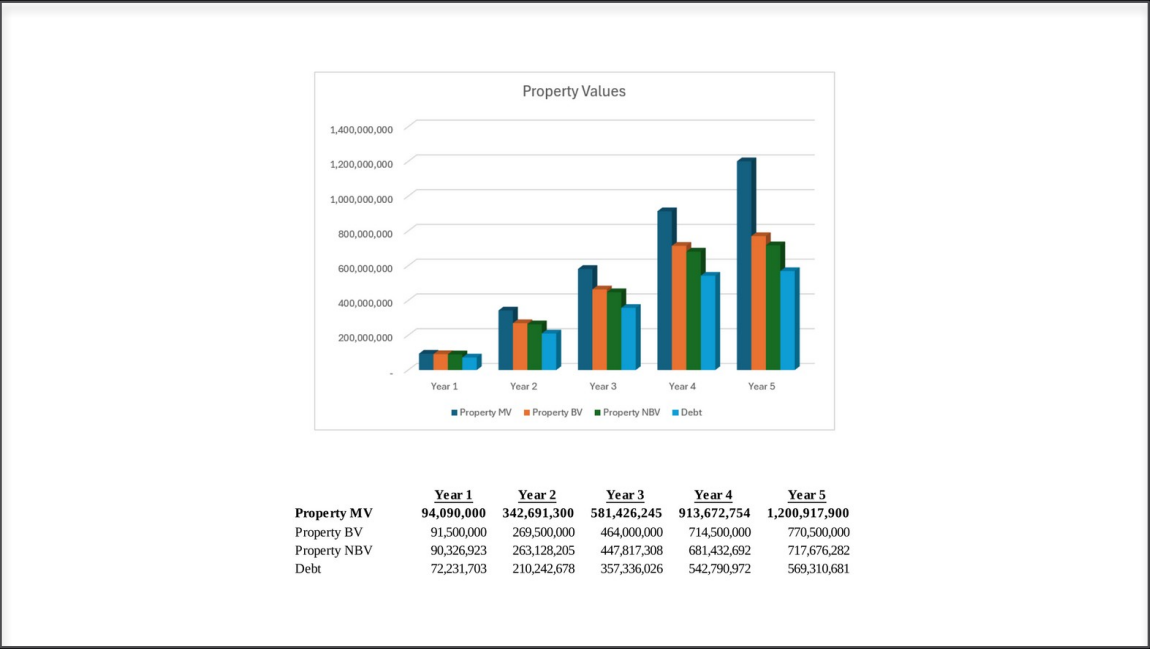
Original tables, graphs, and rollout schedules were reinserted for investor diligence.
 Loading...

 Reload document
  Open in new tab